
Replacing a boiler is a major home decision.
It affects how warm your home feels, how much energy you use and what you may spend on heating for years to come. Yet homeowners, who are looking at greener alternatives, are often expected to choose between unfamiliar technologies before they have clear answers about suitability, installation or running costs.
For example, recent research by Which? on attitudes toward heat pumps revealed that upfront costs are just one part of why people are hesitant. Homeowners also worry about installation quality, disruption, future bills, performance, control and whether the system will suit their property in practice. When those questions remain unanswered, uncertainty can grow at every stage.
Moving to low-carbon heating should make homeowners feel confident. It should begin with clear information, an honest assessment of the property and the freedom to compare credible options.
Quick answer: how can homeowners move away from gas and oil with confidence?
Start with the home, rather than the technology.
A reliable heating journey should help you:
- Understand which technologies could suit your property.
- Compare likely costs and carbon impact.
- Have the home properly surveyed.
- Receive a clear installation plan and full quote.
- Know what support will be available afterwards.
Not every home needs the same solution. The right option could be a heat pump, heat battery boiler, heat network or another suitable electric heating system. The important thing is having enough clarity to make an informed choice.
Why can greener heating alternatives feel uncertain?
Most homeowners already understand their current boiler, even if it is old, expensive or powered by fossil fuels.
Moving to something unfamiliar raises reasonable questions:
- Will it keep the home warm?
- Is the property suitable?
- Will the radiators or pipework need changing?
- How disruptive will installation be?
- What will it cost to run?
- Will the household need to change how it uses heating?
- Who will help if something goes wrong?
These concerns cannot be solved by promoting one technology more loudly.
They are solved through better advice, property-specific information and a heating industry prepared to say when a product is – and is not – right for a home.
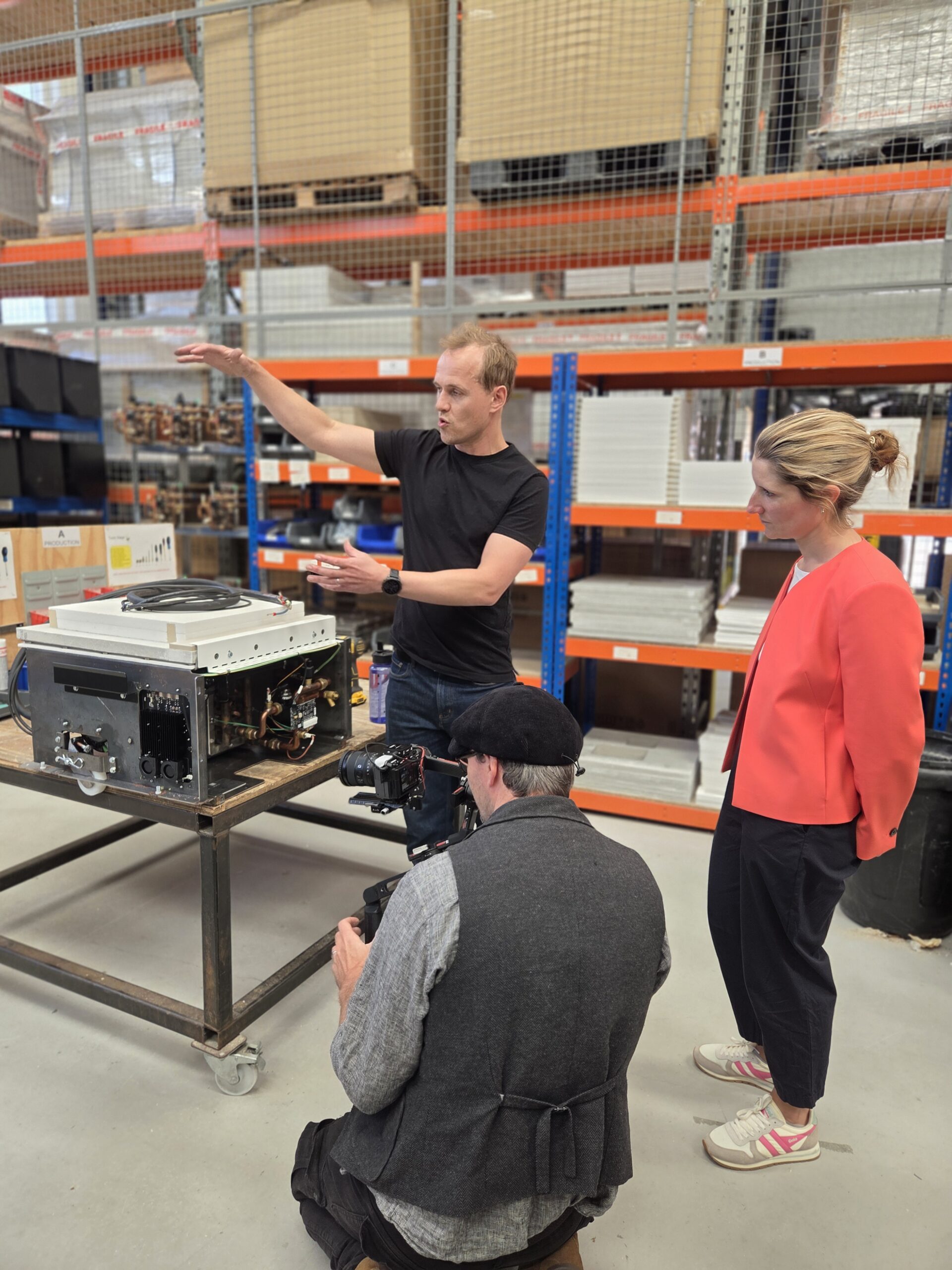
Different homes need different heating solutions
Heat pumps play an important role in the UK’s transition to low-carbon heating. In suitable properties, a well-designed heat pump can provide highly efficient heating. But UK homes vary enormously, and the same solution will not fit every building or household.
Some homes have limited outdoor space. Others may have pipework or radiators that require changes. Certain properties have planning restrictions, unusually high heat demand or limited room for additional equipment.
Households also have different priorities. Some are comfortable undertaking a wider retrofit. Others need a quicker, lower-disruption replacement for an ageing gas, oil or LPG boiler.
That is why the real question should not be:
“Which heating technology is best?”
It should be:
“Which gas alternative is right for this home?”
Good advice should help homeowners compare those options honestly rather than forcing every property into the same route.
Start by understanding your options
Before arranging surveys or requesting quotes, it helps to understand the main differences between heating systems.
Our Better Boiler Guide compares gas boilers, heat pumps, direct electric boilers and heat battery boilers in plain English. It covers how each option works, the type of property it may suit and the practical points to consider before choosing.
It is designed to help homeowners ask better questions – not to tell every household to choose the same system.
Once you understand the available options, the next step is to assess the home itself.
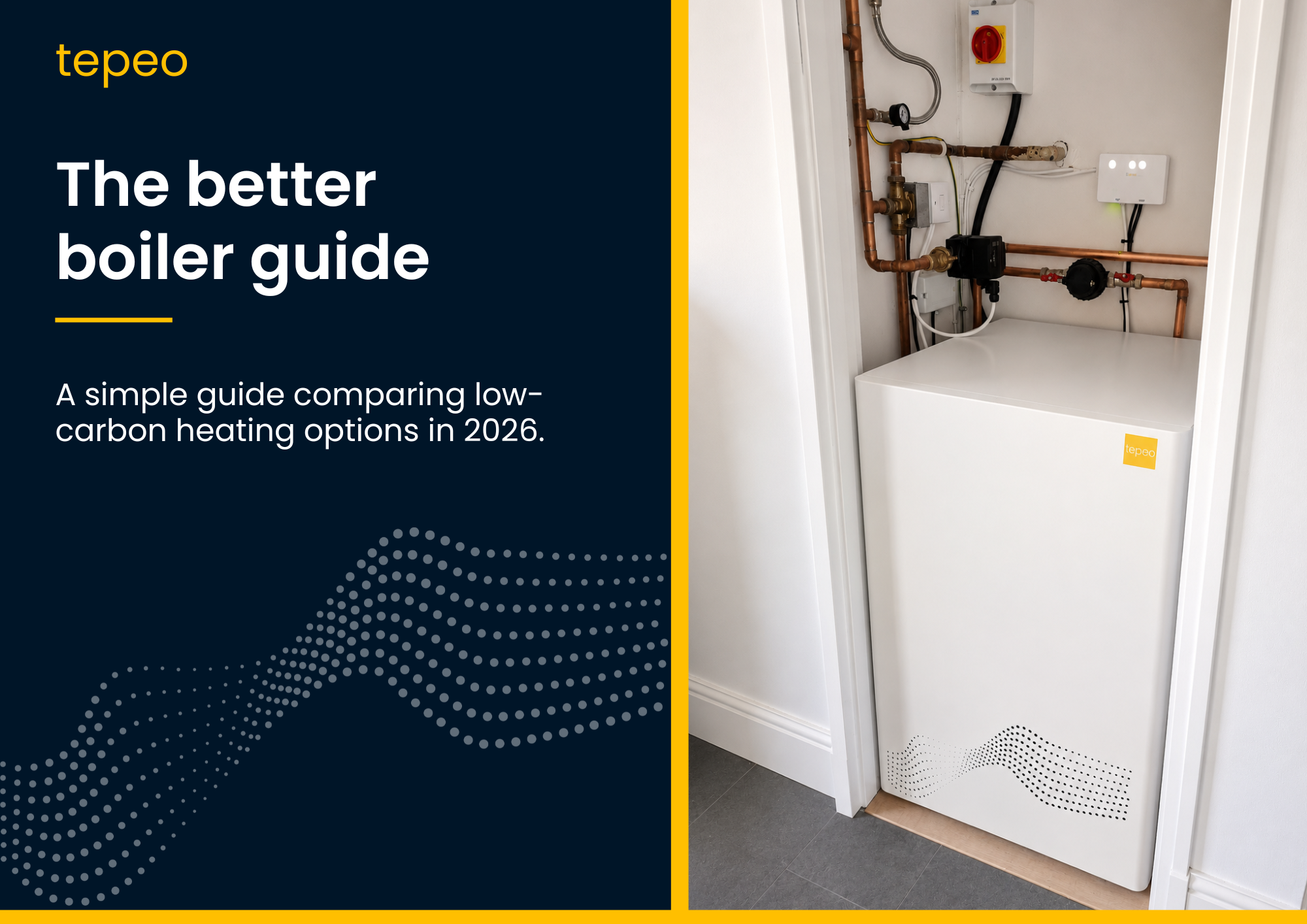
Our mission is to help build your confidence at each stage
For homeowners considering a heat battery boiler, we have designed your journey to low carbon heating to establish suitability early and make the next steps clear.
The tepeo ZEB heat battery boiler will not be right for every home. That is why the process begins with checks, not assumptions.
1. Check whether your home could be suitable
The initial home check asks about the property, current heating system and energy use.
It helps establish whether the ZEB could be suitable before the homeowner commits to a survey or installation.
The ZEB is designed for suitable homes with wet central heating, such as radiators or underfloor heating. Heat demand, available indoor space, electrical supply and tariff access also need to be considered.
The purpose of this stage is simple: to identify whether progressing makes sense.
[Complete the home check]
2. Understand the likely costs
Running costs are one of the most important questions when comparing heating systems.
They depend on several factors, including:
- the amount of heat the property needs
- insulation and heat loss
- the household’s comfort preferences
- energy tariffs
- current fuel use
- weather
- how the heating system is operated
No responsible provider can guarantee that one technology will always be cheaper.
Our Cost & Carbon Calculator helps homeowners compare their existing heating with a heat battery boiler using information about their home, energy use and potential tariffs.
The results are estimates, but they provide a more meaningful starting point than a generic national average.

3. Have a free home survey
If the initial checks suggest the ZEB could be suitable, an installer can visit the property for a more detailed home survey – all for free. They will look at factors such as:
- the existing boiler and central heating system
- pipework and radiators
- electrical requirements
- hot water arrangements
- possible locations for the ZEB
- access and installation logistics
The installer can talk to you and your requirements in more detail and then provide a full quote.
Our home survey is designed to give you a clear and honest answer about whether a heat battery boiler is right for your property.
A tepeoPRO installer will assess your home, heating requirements and existing system in detail. If the ZEB is a good fit, they’ll explain what installation would involve and provide a full quote. If it isn’t the right solution, they’ll tell you openly and help you understand which alternatives may be more suitable.
We would rather give you the right advice than sell you the wrong heating system. Finding that out before you commit is exactly what makes the survey worthwhile.
4. Receive support after installation
Installing a new heating system is only the beginning.
Once your ZEB is up and running, you may still have questions about seasonal settings, charging times or which tariff could work best for your home. You also need to know that help is there if something does not feel quite right.
That is why tepeo provides exceptional customer support long after installation. Our team can help with practical questions, system monitoring and troubleshooting, while our dedicated Help Centre gives you access to clear guidance whenever you need it. This level of care is highlighted time and again in our Trustpilot reviews, where customers regularly mention quick responses, helpful advice and issues being identified and resolved promptly.
You will also be part of a growing community of ZEB owners through our customer forum. It is a supportive space where you can ask questions, share experiences and learn from other people living with the technology every day.
An annual care plan is also available to support ongoing servicing and system care.
Ultimately, confidence comes not only from choosing a new heating system, but from knowing that a knowledgeable team, and a helpful community, will be there to support you as you live with it.

Why honest advice matters
Heating is too important for vague promises. Homeowners should understand:
- why a particular system is being recommended
- which parts of the property have been assessed
- what installation will involve
- whether other work is required
- what the full quote includes
- how running-cost estimates have been calculated
- what support is available afterwards
- where the technology may have limitations
No heating system can remove every uncertainty. Energy prices change, weather varies and every household uses heat differently.
But there is a major difference between unavoidable uncertainty and unanswered questions.
Clear information helps people understand the difference.
Real customer experiences can provide useful reassurance
Technical information matters, but homeowners also want to hear from people already living with the technology.
Customer stories can show:
- why someone decided to replace their old boiler
- which alternatives they considered
- what installation was actually like
- how the system fits into the home
- how heating costs have changed
- what support they received
- what they would tell another homeowner considering the switch
Results will differ between properties, but real experiences of people switching to gas and oil heating alternatives easier to picture.
They move the conversation from theoretical claims to real homes, real installations and everyday use.
Don’t just take our word for it. See what our customers say.
A clearer way to move towards greener heating
The transition away from fossil fuel heating will not succeed by asking every homeowner to make the same choice.
It will succeed when households can compare suitable options, understand the trade-offs and feel confident that the system they choose will work for their home.
That means:
- more than one credible low-carbon heating solution
- honest property assessments
- clear comparisons of cost and carbon
- trained installers
- realistic expectations
- dependable aftercare
Changing your heating should not feel like stepping into the unknown.
It should feel like a well-informed decision, supported at every stage.
Frequently asked questions
What is the best heating system for a UK home?
There is no single best system for every property. The right choice depends on factors such as heat demand, insulation, outdoor and indoor space, pipework, radiators, hot water needs, budget and household priorities.
Are heat batteries an alternative to heat pumps?
For some suitable homes, a heat battery boiler can provide another route away from gas, oil or LPG. It may appeal to homeowners who want the familiar comfort of a traditional boiler, do not want a retrofit or an outdoor unit. A property assessment is required to confirm suitability.
How can I compare different boiler replacement options?
Compare the upfront cost, estimated running costs, carbon impact, installation requirements, available space, hot water setup and aftercare. tepeo’s Better Boiler Guide provides an accessible comparison of gas boilers, heat pumps, direct electric boilers and heat battery boilers.
What happens during a tepeo home survey?
An installer assesses the existing heating system, pipework, radiators, electrical requirements, hot water arrangements, installation location and property access. They then confirm whether the ZEB is suitable and provide a full quote.
Can tepeo guarantee that the ZEB will reduce my bills?
No. Heating costs depend on the property, tariff, energy use, weather and household behaviour. The Cost & Carbon Calculator can provide an estimate based on the information supplied.
What support is available after installation?
tepeo provides monitoring, customer support and guidance after installation. An annual care plan is also available for ongoing servicing and system care and provides ongoing peace of mind.