Best electricity tariffs for your heat battery boiler

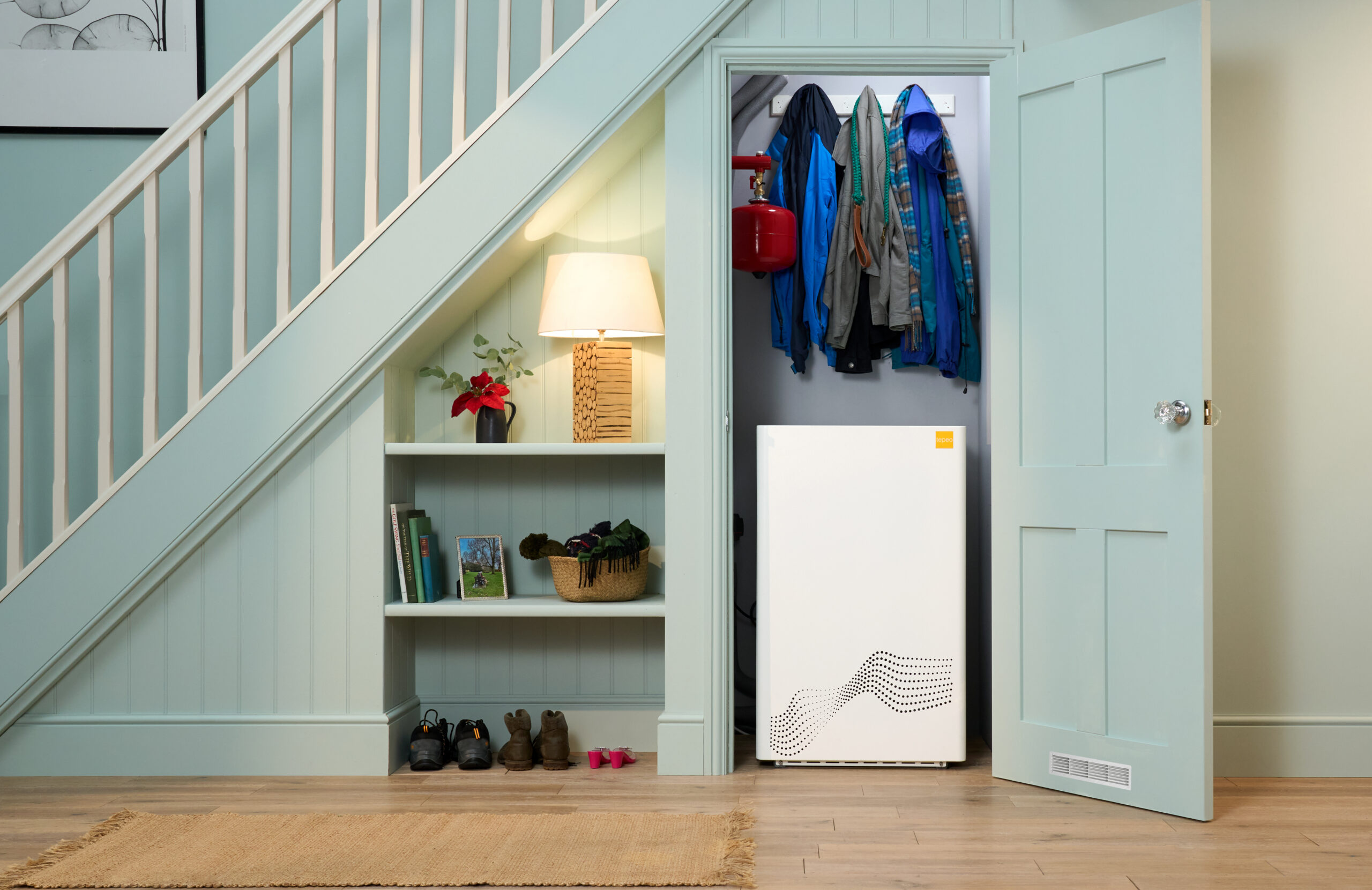
Because the ZEB stores heat, it can charge when electricity is cheaper and use that stored energy later to heat your home. This makes flexible time-of-use electricity tariffs important for getting the most out of your heat battery and saving money.

This guide explains the main tariff options and what to consider when choosing one for your home.

For most ZEB homes, a time-of-use tariff with several hours of lower-cost electricity is a good place to start. The best tariff for you will depend on your heating needs and how the rest of your home uses electricity.
Why electricity tariffs matter with a ZEB

Unlike direct electric heating, the ZEB doesn’t need to use electricity at the same time when you need heat.

It charges like a battery and heats like a boiler.

That means it can charge with electricity during lower-cost periods, store it as heat and deliver that heat through your central heating system when you need it.

The more of your charging that can be moved into cheaper periods, the lower your average cost of heating electricity can be.

Understanding the main types of tariffs

Electricity bills are usually made up of two main charges:

Standing charge: a fixed daily amount you pay for having an electricity supply
Unit rate: the amount you pay for each kilowatt-hour (kWh) of electricity you use.

For a heat battery boiler, the unit rate – and particularly how that rate changes throughout the day – is especially important.

Here are the main types of electricity tariffs you’re likely to come across:

Static time-of-use

Generally a great place to start for a ZEB. These tariffs offer cheaper electricity at set times of day, including many EV and Economy 7/10 tariffs, giving Smart Charging predictable lower-cost periods to charge.

Dynamic tariffs

Electricity prices vary throughout the day, often every half hour. Prices can fall significantly when electricity is plentiful, giving the ZEB opportunities to charge at lower-cost times, but rates can also rise during periods of high demand.

Single-rate tariffs

You pay exactly the same unit rate throughout the day and night. Your ZEB will operate normally, but there’s no cheaper off-peak period to take advantage of, so time-of-use tariffs may offer better opportunities to reduce running costs.

Type-of-use and electricity heating tariffs

These tariffs offer special pricing for particular technologies or types of electricity use, such as EVs, home batteries or electric heating. Availability and eligibility vary, but they could become increasingly relevant for heat battery homes.

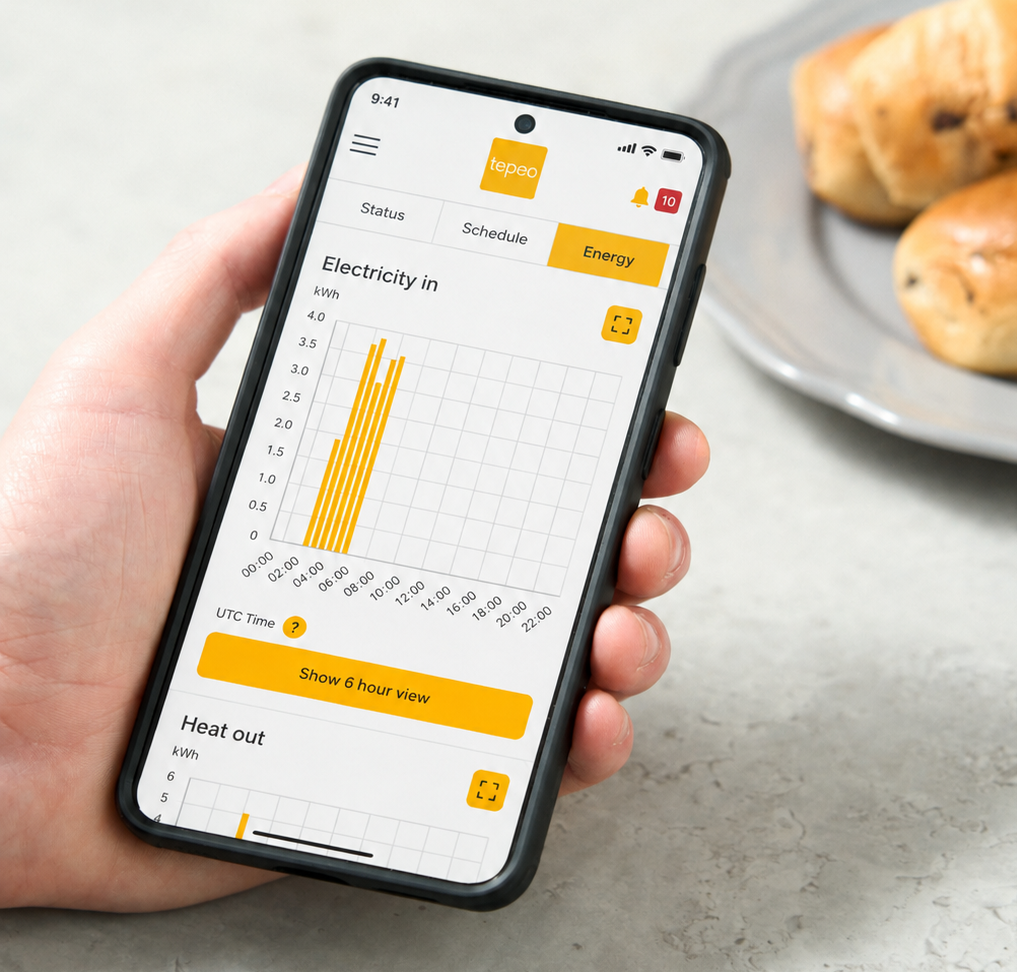
man looking at the tepeo zeb heat battery boiler app

Smart Charging helps you make the most of your tariff

You don’t need to manually decide when your ZEB should charge to make the most of your tariff.

The ZEB’s Smart Charging algorithm uses information including your heating requirements, weather forecast and electricity tariff to plan how, and when, it charges. It can:

  • Estimate how much heat your home is likely to need
  • Identify lower-cost or lower carbon charging periods
  • Schedule charging around your tariff
  • Avoid unnecessary charging
  • Adapt its charging plan as conditions change

With dynamic tariffs, the ZEB can also use half-hourly pricing information to help identify lower-cost charging opportunities.

A simple way to compare tariffs

When comparing electricity tariffs for your ZEB, be sure to ask:

1

How cheap is the off-peak electricity?

Compare the lower rate with the tariff's peak or standard rate.

2

Are there enough cheaper hours for my ZEB to charge?

Look at both the length and timing of the off-peak periods. The ZEB needs approximately 4.5 hours to fully charge from empty, so aim for a window that gives you enough time to fill up on cheap energy.

3

What will I pay outside of those cheaper periods?

A very low off-peak rate can sometimes come with a higher daytime rate, so consider your overall household electricity use. As a simple rule of thumb, an off-peak rate around a third of the peak rate can be a useful benchmark – for example, 9p/kWh off-peak compared with 27p/kWh peak.

4

Does the tariff suit the rest of my home?

Think about how it works alongside an EV, solar panels, home battery, hot water and other flexible electricity use.

Electricity tariffs currently used by ZEB owners

ZEB owners use a range of time-of-use tariffs. Some of the tariffs we currently see used with ZEBs include:

Some EV tariffs require you to own an eligible electric vehicle and/or compatible charger. Tariff availability, rates and eligibility can change, so always check with the supplier.

Did you know we're an Octopus Smart Tech Partner?

Works with Octopus Energy

Maximise your savings with a heat battery boiler built for the modern grid.

We’re officially recognised as a Works with Octopus smart tech partner, with the ZEB designed to make the most of smart time-of-use tariffs such as Octopus Agile.

By charging up automatically on cheap, clean off-peak energy, your ZEB keeps your radiators warm and your heating bills down.

Why when you use electricity matters too

The carbon intensity of Britain’s electricity changes throughout the day depending on demand and how much power is being generated from sources such as wind, solar, nuclear and gas.

Lower-cost periods can often coincide with lower demand or plentiful renewable electricity. By storing heat and shifting charging away from busier periods, the ZEB can make more flexible use of the electricity grid rather than needing power only at the moment your home needs heating.

Smart Charging helps plan when your ZEB charges, taking both your home’s heating needs and changing energy conditions into account.

FAQs

Do I need a smart meter?

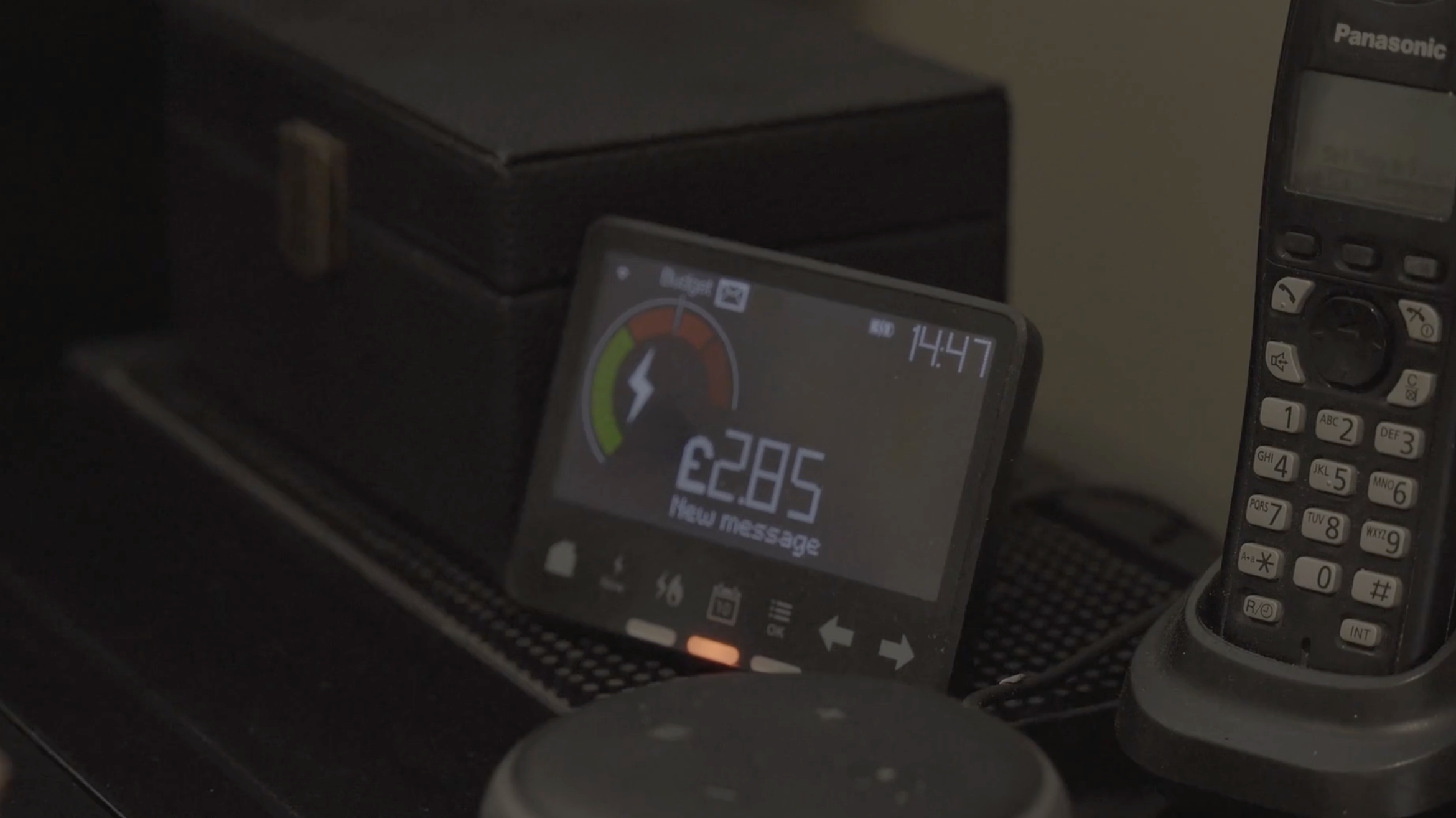
A smart meter is recommended and is required for many modern time-of-use and dynamic tariffs.

These tariffs rely on half-hourly consumption data so your supplier can charge different rates depending on when electricity is used.

Having a compatible smart meter will therefore give you access to a much wider range of tariff options.

What if I have solar panels or a home battery?

Solar panels and battery storage can give your home even more flexibility

A ZEB can use electricity available within your home when it enters a charging cycle, which means solar generation or electricity stored in a home battery can contribute towards charging it.

In winter, when heating demand is highest and solar generation is lower, grid electricity will usually still play an important role. For many homes, the most effective setup is therefore a combination of:

solar when available + storage where appropriate + lower-cost grid electricity when needed.

What if I already have an EV tariff?

If you already drive an electric vehicle, your existing tariff may work particularly well with a ZEB.

Many EV tariffs provide several hours of very cheap electricity overnight.

Where that cheaper rate applies to all electricity used in the home, the same period can potentially be used to:

  • Charge your EV
  • Charge your ZEB
  • Heat your hot water
  • Charge a home battery
  • Run other flexible appliances

This can make an EV and heat battery a particularly effective combination.

Does the ZEB need 4.5 hours to charge every day?

No. Around 4.5 hours is the time it takes to charge a ZEB from completely empty to full.

In everyday use, the ZEB may already have heat remaining from the previous day, so it may only need to top up what your home is expected to use. Smart Charging works out how much energy is likely to be needed and plans charging accordingly. In warmer months, for example, when your heating demand is lower, the ZEB may only need to charge occasionally or top up a smaller amount.

Will changing electricity supplier affect my ZEB?

You can change electricity supplier or tariff without changing your ZEB.

If you switch tariff, make sure the tariff information associated with your ZEB is kept up-to-date so that Smart Charging can continue to plan accordingly.

Do electricity tariffs and prices change?

Yes. Suppliers regularly introduce, change and withdraw tariffs, and their unit rates, off-peak periods and eligibility criteria can change.

For this reason, we recommend checking the latest tariff information directly with the electricity supplier before switching.

What is the best electricity tariff for a ZEB?

There isn’t one tariff that’s best for every ZEB home. In general, look for a time-of-use tariff with several hours of low-cost electricity, a competitive peak rate and charging periods that suit your home’s heat demand. Your wider electricity use – including EV charging, solar, batteries and hot water – should also be considered.

Can a ZEB work on any electricity tariff?

Yes. The ZEB can operate on a standard electricity tariff, but a time-of-use tariff gives Smart Charging the opportunity to move more charging into lower-cost periods. That’s why choosing the right tariff can make an important difference to running costs.