A practical replacement guide for homeowners comparing heat pumps, electric boilers and heat battery boilers
Replacing a gas boiler is no longer just a like-for-like decision. In 2026, UK homeowners have more choices than ever: heat pumps, electric boilers, heat battery boilers and, in some cases, another gas boiler. Each option comes with different costs, installation requirements, running costs, and levels of disruption.
This guide is designed to help you understand your options clearly, so you can choose the right replacement for your home.
Whether your boiler is getting old, your energy bills are rising too high for comfort, or you want to move away from fossil fuels, here’s what to consider before making the switch.
Quick answer: what are the best gas boiler alternatives in 2026?
The main alternatives to a gas boiler are:
- Heat battery boilers
- Heat pumps
- Direct electric boilers
- Hybrid heating systems
- Biomass boilers
Each option has a role to play. For many homes, heat pumps will be an excellent low-carbon solution. But they are not the only route away from gas.
For suitable homes, electric heat battery boilers can offer a lower-disruption route away from gas, oil or LPG by storing electricity as heat and releasing it through radiators or underfloor heating.
Direct electric boilers may suit some smaller or very low-demand homes, but for many homeowners comparing electric heating systems, a heat battery boiler offers an important advantage: it can store electricity as heat and use smart charging to make better use of cheaper off-peak tariffs.
Before choosing a gas boiler alternative, check these things
The best replacement for a gas boiler depends on your home. Before comparing products, it helps to understand your current heating setup. Ask yourself:
- Do I have radiators or underfloor heating?
- Do I have a combi boiler or a hot water cylinder?
- How much heat does my home use each year?
- Is my home well insulated?
- Do I have space for outdoor equipment?
- Am I willing to change radiators or pipework?
- Could I use a smart or off-peak electricity tariff?
- How much installation disruption am I comfortable with?
These questions matter because low-carbon heating is not one-size-fits-all. The right system for a detached rural home may not be the right system for a terraced house, flat or bungalow.
Download the free Better Boiler Guide
A simple guide comparing low-carbon heating options in 2026.
1. Heat battery boilers
Best for: suitable homes that want a practical, lower-disruption route away from gas
A heat battery boiler is one of the most practical alternatives to a gas boiler for suitable UK homes, especially where homeowners want to keep familiar central heating without burning fossil fuels in the home.
Unlike standard direct electric boilers, electric heat battery boilers are designed around storage and smart charging, helping suitable homes make better use of cheaper off-peak electricity. It charges when electricity is cheaper and often lower carbon, then releases that stored heat through your central heating system when your home needs warmth.
In simple terms: it charges like a battery and heats like a boiler.
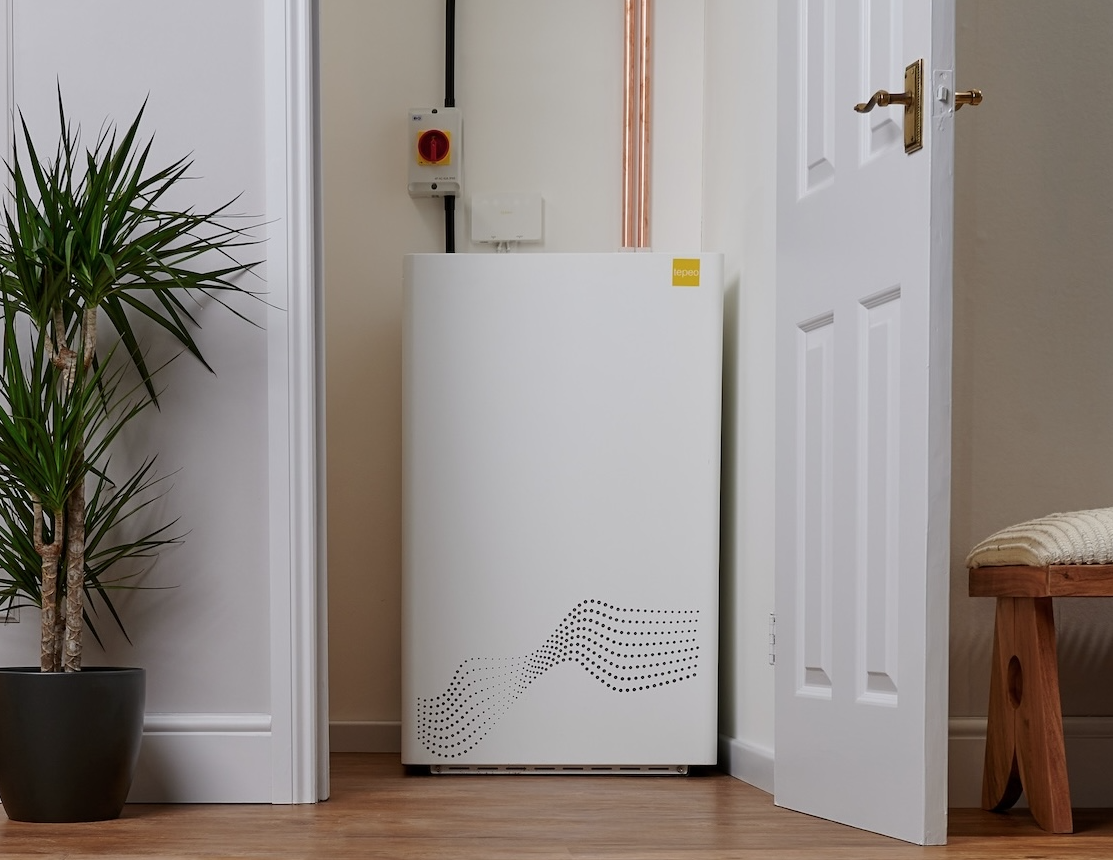
The tepeo ZEB is a smart heat battery boiler designed to replace gas, oil, LPG or direct electric boilers in suitable homes with wet central heating systems. That means it can work with radiators or underfloor heating, subject to survey. Its smart charging technology helps decide when to charge based on your heating needs, the weather, your tariff and the carbon intensity of electricity. This allows the ZEB to store heat when electricity is cheaper and often lower carbon, then release it through your central heating system when your home needs warmth.
7 reasons homeowners choose electric heat battery boilers
More homeowners are now comparing electric heat battery boilers, heat pumps and electric boilers as practical gas boiler alternatives for UK homes. For suitable homes, heat battery boilers can offer a lower-disruption way to move away from fossil fuel heating while keeping the comfort of familiar central heating.
- They can replace gas, oil or LPG boilers in suitable homes
A heat battery boiler gives homeowners another route away from fossil fuels without simply replacing gas with gas. - They work with familiar central heating
The ZEB connects to wet central heating systems, including radiators or underfloor heating, subject to survey. - They do not need an outdoor unit
This can make them a practical option for homes where outdoor space, planning or aesthetics make a heat pump difficult. - They can reduce installation disruption
In many suitable homes, a heat battery boiler can be installed more like a boiler replacement than a wider retrofit. - They store cheaper off-peak electricity as heat
Unlike a standard direct electric boiler, a heat battery boiler can charge when electricity is cheaper, then release that stored heat later. - They support lower-carbon heating at home
Heat battery boilers do not burn fossil fuels in the home, helping suitable households reduce emissions at the point of use. - They give homeowners more choice
Heat pumps are a great option for many homes, but they are not the only route away from gas. Heat battery boilers help give UK homes another practical low-carbon heating option.
A direct electric boiler uses electricity when heat is needed. A heat battery boiler is different because it stores heat for later. This flexibility can make it a more practical electric heating option for many homes.
Things to consider
A heat battery boiler is not suitable for every home. You will need a suitable location for the unit, a wet central heating system, and a home with heat demand that matches the system.
If you currently have a combi boiler, you may also need a hot water cylinder or another suitable hot water solution. A free, no obligation home survey is the best way to check whether a heat battery boiler is right for your property. You can kick off this process by completing our quick Home Check tool.
Grants and support
Heat batteries are expected to be added to the Boiler Upgrade Scheme from 2026/27, with new £2,500 grants for heat batteries for central heating once appropriate product and installation standards are in place.
Until then, tepeo is currently offering a £2,500 early grant match for eligible customers for a limited time.
2. Heat pumps
Best for: efficient low-carbon heating in suitable homes
Heat pumps are one of the best-known low-carbon heating solutions. They use electricity to move heat from outside air, the ground or water into your home.
When designed and installed well, heat pumps can be highly efficient. They are also strongly supported by current government policy: the Boiler Upgrade Scheme currently offers £7,500 towards air source heat pumps, ground source heat pumps and water source heat pumps, as well as £5,000 towards biomass boilers and £2,500 towards air-to-air heat pumps.
Why homeowners consider heat pumps
A heat pump may be a good fit if:
- your home has suitable outdoor space
- your property is reasonably well insulated
- your radiators can work effectively at lower flow temperatures, or can be upgraded
- you are comfortable with a different heating style
- you are happy to make any home upgrades needed
Heat pumps will be the right answer for some homes. They can reduce emissions and work especially well in homes designed or upgraded for low-temperature heating.
Things to consider
A heat pump installation may require more planning than a boiler replacement. Some homes may need larger radiators, pipework changes, improved insulation or space for an outdoor unit.
This does not make heat pumps a bad option. It simply means they are not always the simplest or most suitable option for every home.
If your home has limited outdoor space, planning constraints, high heat demand or you want to avoid a wider retrofit, it is worth comparing other low-carbon heating solutions too.
3. Direct electric boilers
Best for: some smaller or very low-demand homes
Many people searching for electric boilers for UK homes are looking for a simple, compact alternative to gas.
A direct electric boiler uses electricity to heat water for your radiators or underfloor heating. It does not burn gas in the home and can be straightforward to install in some properties.
Why homeowners consider electric boilers
A direct electric boiler may appeal because:
- it is compact
- it does not need a flue
- it can work with wet central heating systems
- installation may be simpler than some low-carbon alternatives
- it avoids burning fossil fuels in the home
Things to consider
The main drawback is running cost.
A direct electric boiler usually uses electricity at the exact time your home needs heat. That can mean drawing electricity during peak periods, when electricity is often more expensive.
Unlike a heat pump, it does not use outside air to improve efficiency. And unlike a heat battery boiler, it does not store cheaper off-peak electricity as heat for later.
For smaller or very low-demand homes, a direct electric boiler may still be suitable. But for many homeowners comparing the best electric heating systems, it is important to look beyond installation simplicity and consider long-term running costs.
4. Hybrid heating systems
Best for: homeowners wanting a transitional option
A hybrid heating system usually combines a heat pump with a gas boiler. The heat pump provides some of the heating, while the gas boiler can take over at colder times or when heat demand is higher.
Why homeowners consider hybrid systems
Hybrid systems can feel like a compromise for people who are not ready to fully move away from gas.
They may reduce gas use compared with relying on a gas boiler alone, and they can offer reassurance in homes where heat pump suitability is uncertain.
Things to consider
A hybrid system still uses fossil fuel. It also includes more than one heating technology, which can add complexity.
It may be a stepping stone for some households, but it is not the same as fully replacing a gas boiler with a zero-emission-at-point-of-use heating system.
The Boiler Upgrade Scheme does not currently support hybrid heat pump systems.
5. Biomass boilers
Best for: some rural or off-gas-grid homes with space for fuel storage
Biomass boilers burn organic material, such as wood pellets, to provide heating and hot water.
They can be an option for some rural properties, particularly where mains gas is not available and there is enough space for fuel storage.
Why homeowners consider biomass boilers
Biomass may be considered if:
- the home is off the gas grid
- there is space for fuel storage
- regular fuel deliveries are practical
- the household wants an alternative to oil or LPG
Things to consider
Biomass boilers are more niche for domestic homes. They require fuel storage, deliveries, maintenance and consideration of local air quality.
For many urban and suburban homes, other low-carbon heating solutions are likely to be more practical.
Gas boiler alternatives compared
Best gas boiler alternative if you cannot install a heat pump
If a heat pump is not suitable for your home, the next step is not simply to default to a direct electric boiler or another gas boiler. For suitable homes with wet central heating, or willing to consider a hot water cylinder, a heat battery boiler can be a practical alternative.
It gives you familiar central heating, can work with radiators in suitable properties, and stores electricity as heat so your home can make better use of off-peak tariffs.
This is especially relevant for homes where:
- there is limited outdoor space for a heat pump
- radiator or pipework upgrades would be difficult
- the homeowner wants to avoid major disruption
- the property is better suited to boiler-style central heating
- the household already uses, or is open to, a smart electricity tariff
Heat pumps are important, but UK homes are varied. Different homes need different low-carbon heating solutions. A heat battery boiler helps give homeowners another route away from gas.
Best electric heating systems for UK homes
When people compare the best electric heating systems, they often group everything together: electric boilers, storage heaters, heat pumps and heat batteries. But these systems work very differently.
Direct electric boilers
Simple and compact, but often expensive to run because they use electricity when heat is needed.
Storage heaters
Can use off-peak electricity, but usually heat individual rooms rather than replacing a whole-home wet central heating system.
Heat pumps
Very efficient and suitable for many homes, but need outdoor space and home upgrades, which can be costly, lengthy and disruptive..
Heat battery boilers
Store electricity as heat, then release it through wet central heating when needed. A practical option for suitable homes where a direct electric boiler may be costly to run, or where a heat pump is not the right fit.
What about installation?
Installation is one of the biggest differences between gas boiler alternatives.
A direct gas boiler replacement is usually familiar and relatively quick, but it keeps your home on fossil fuel.
A heat pump installation may involve an outdoor unit, radiator checks, pipework upgrades or insulation improvements, which can typically take between 2-5 days or longer.
A direct electric boiler may be straightforward in some homes, but the running costs need careful thought.
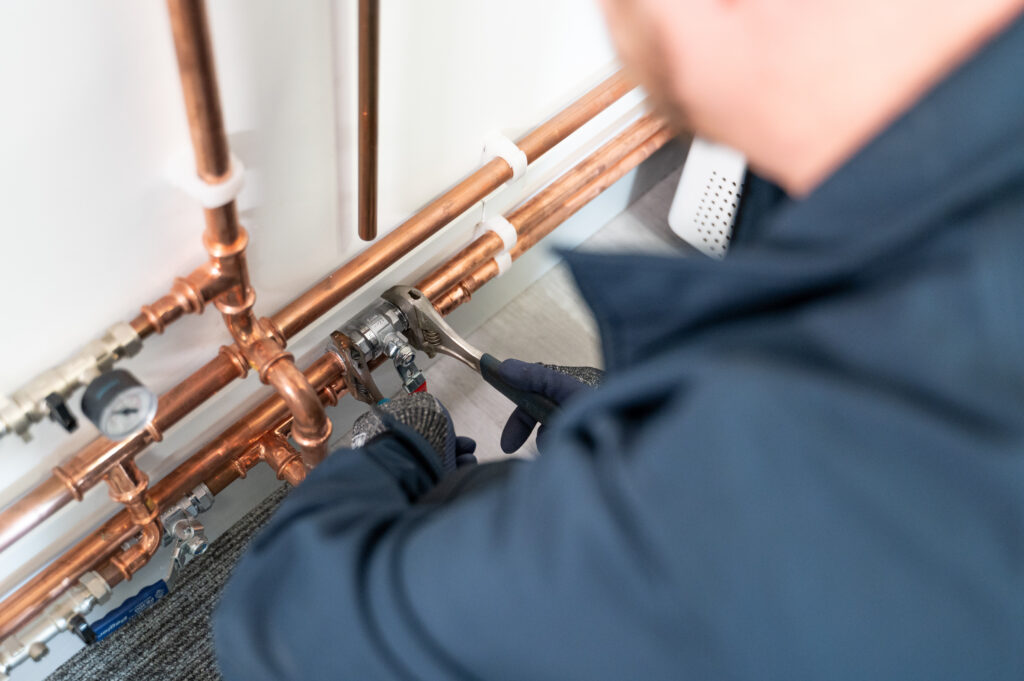
A heat battery boiler is designed as a practical replacement for fossil fuel boilers in suitable homes with wet central heating. In many suitable properties, the tepeo ZEB can work with existing radiators, subject to survey, and installation is typically quick, often taking just 1–2 days.
That means homeowners can make a like-for-like style switch from a gas boiler to a low-carbon heating system, while keeping the familiar feel of central heating.
What about hot water?
If you are replacing a gas combi boiler, hot water is an important part of the decision.
A combi boiler provides heating and hot water from one unit, without a separate cylinder. Some low-carbon systems, including heat-only systems, may need a hot water cylinder or another suitable hot water solution.
Before choosing a gas boiler alternative, check:
- whether you already have a hot water cylinder
- how much hot water your household uses
- where a cylinder or alternative hot water system could go
- whether the installation quote includes hot water changes
This is especially important when comparing heat pumps, heat battery boilers and electric boilers.
What about running costs?
Running costs depend on:
- your home’s heat demand
- your insulation
- your electricity or gas tariff
- how you use your heating
- whether your system can use off-peak electricity
- how well the system is designed and installed
This is where heat battery boilers are different from direct electric boilers.
A direct electric boiler uses electricity when your home asks for heat. A heat battery boiler can charge at cheaper times and store heat for later.
That flexibility can help suitable homes make better use of smart tariffs, including time-of-use tariffs often used by EV drivers.
Grants and support in 2026
The Boiler Upgrade Scheme currently supports eligible low-carbon heating installations in England and Wales. Current grants include £7,500 towards air source, ground source and water source heat pumps, £5,000 towards biomass boilers, and £2,500 towards air-to-air heat pumps.
From 2026/27, the scheme is also expected to introduce new £2,500 grants for heat batteries for central heating, once appropriate product and installation standards are in place.
For homeowners considering the tepeo ZEB before heat battery grants formally become available, tepeo is currently offering a £2,500 early grant match for eligible customers for a limited time.
Which gas boiler alternative is right for you?
Choose a heat battery boiler if…
You want a practical, lower-disruption way to move away from gas, oil or LPG, your home has wet central heating, and you want to keep familiar radiator-based heating in a suitable property.
A heat battery boiler may be especially relevant if a heat pump is not suitable for your home, or if you want to make better use of off-peak electricity.
Choose a heat pump if…
Your home has suitable outdoor space, good insulation, and you are happy with any radiator, pipework or system changes needed to help the heat pump run efficiently.
Choose a direct electric boiler if…
Your home is small or has very low heat demand, and you want a compact electric system while understanding the potential running cost implications.
Choose a hybrid system if…
You want to reduce gas use but are not ready to fully move away from fossil fuel heating. Bear in mind that this still keeps gas in the home.
Consider biomass if…
You are in a rural or off-grid property with space for fuel storage and are comfortable with deliveries and ongoing maintenance.
Start with efficiency upgrades if…
Your home loses heat quickly, feels draughty or has poor insulation. Reducing heat demand can make any heating system perform better.
Final thoughts: the best gas boiler alternative depends on your home
There is no single best replacement for every gas boiler. The UK has a wide range of homes, from flats and terraces to rural cottages and detached houses. That means we need a wider range of low-carbon heating solutions too.
Heat pumps will be an excellent choice for many homes. Direct electric boilers may work for some smaller or very low-demand properties. But for suitable homes that want to keep familiar central heating while moving away from fossil fuels, a heat battery boiler can offer a particularly practical route.
The important thing is to compare your options before replacing your gas boiler with another fossil fuel system by default.
Could a heat battery boiler work for your home?
The tepeo ZEB is a smart heat battery boiler designed to replace fossil fuel boilers in suitable homes.
It stores electricity as heat, can charge during cheaper off-peak periods, and releases that heat through your wet central heating system when your home needs warmth.
It gives suitable homes a way to move towards low-carbon heating while keeping the comfort and familiarity of central heating.