
In a suitable UK home, yes. A heat battery boiler can replace a gas combi boiler as part of a low-carbon home heating system.
The key point is that it is not a like-for-like swap in the way many homeowners first imagine. A combi boiler produces both central heating and hot water from one wall-hung appliance, without needing a separate hot-water cylinder. By contrast, the tepeo ZEB is a heat-only boiler. It works alongside a hot-water cylinder to circulate hot water through the home for baths, showers and taps.
That is why replacing a combi boiler is best thought of as upgrading the whole heating and hot-water system, not simply swapping one boiler for another. For many homes, that creates an opportunity to move to low-carbon heating while still keeping a familiar wet central-heating system.
Here is how replacing a combi boiler with a heat battery boiler works, and what to consider before making the switch.
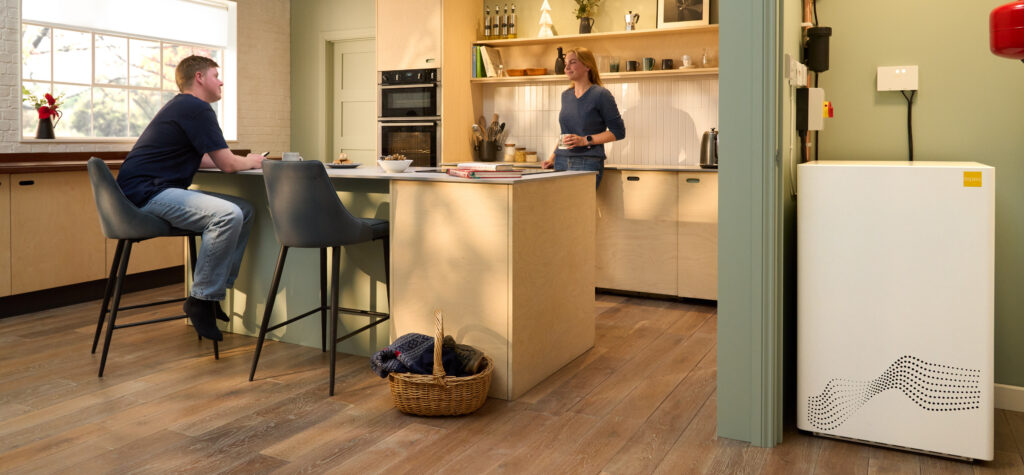
Quick recap: What is a heat battery boiler?
A heat battery boiler is an electric heating system that stores energy as heat, ready to use when your home needs it.
The tepeo ZEB uses electricity to heat a high-density ceramic core. That thermal energy is stored inside the ZEB and then released through your wet central-heating system when your home needs warming.
Put simply: it charges like a battery and heats like a boiler.
This is different from a direct electric boiler, which generally draws electricity at the moment heating is required. A heat battery can charge ahead of time and use the stored heat later.
That gives a heat battery boiler more flexibility over when electricity is used, including the opportunity to charge during cheaper periods on a suitable time-of-use tariff.
You may also see this type of technology described as thermal energy storage or a thermal storage boiler, although a heat battery boiler is designed specifically to provide familiar wet central heating through radiators or underfloor heating.
So, can a heat battery boiler replace a combi boiler?
In a suitable home, yes.
A typical gas combi boiler has two main jobs:
- heating the water that circulates through your radiators
- producing hot water for showers, baths and taps on demand
A heat battery boiler such as the ZEB can replace a combi boiler, but it does so in a different way. It is a heat-only boiler, so it works with a wet central heating system and a hot-water cylinder rather than producing instantaneous hot water directly from the appliance itself.
For many homeowners, that still makes it a practical combi boiler replacement, especially if they want a low-carbon heating system that can work with suitable existing radiators, pipework or underfloor heating they already use.
What happens to hot water when you move away from a combi boiler?
When you move to a heat-only system such as the ZEB, hot water is provided as part of a wider system that includes hot-water storage and central heating. In other words, the hot-water function does not disappear, but the way it is delivered changes.
That is not unique to heat battery boilers. If you replace a combi with many other low-carbon heating systems, including an air source heat pump, you will typically also need a separate hot-water cylinder or other hot-water storage solution, rather than producing hot water on demand in the way a gas combi does.
With a ZEB, the right hot water solution could include a traditional hot water cylinder, a smart cylinder or compact thermal or heat battery solution, depending on the property and household.
So rather than thinking of hot water as a separate add-on, it is more accurate to think of it as part of the complete heating design. The right setup will depend on the property, the household’s hot-water demand, the available space, and the existing plumbing.
Will I need a hot-water cylinder?
Possibly, but not necessarily a large traditional cylinder of the kind many people remember from older heating systems..
The hot water setup should be sized and designed around the home.
Things to consider include:
- how many people live in the property
- how many bathrooms you have
- how much hot water you normally use
- whether several showers are likely to be used close together
- the space available
- your existing plumbing
- the type of hot-water technology you choose
If one of the reasons you originally chose a combi boiler was to avoid having a cylinder, it is worth discussing hot water early in your assessment.
There are now different approaches to hot water storage, including compact solutions designed for homes where space matters. Depending on your property and household, that could be:
- a traditional hot-water cylinder
- a smart hot-water cylinder
- a compact thermal or heat-battery hot-water solution
Do I have to replace my radiators?
Not necessarily.
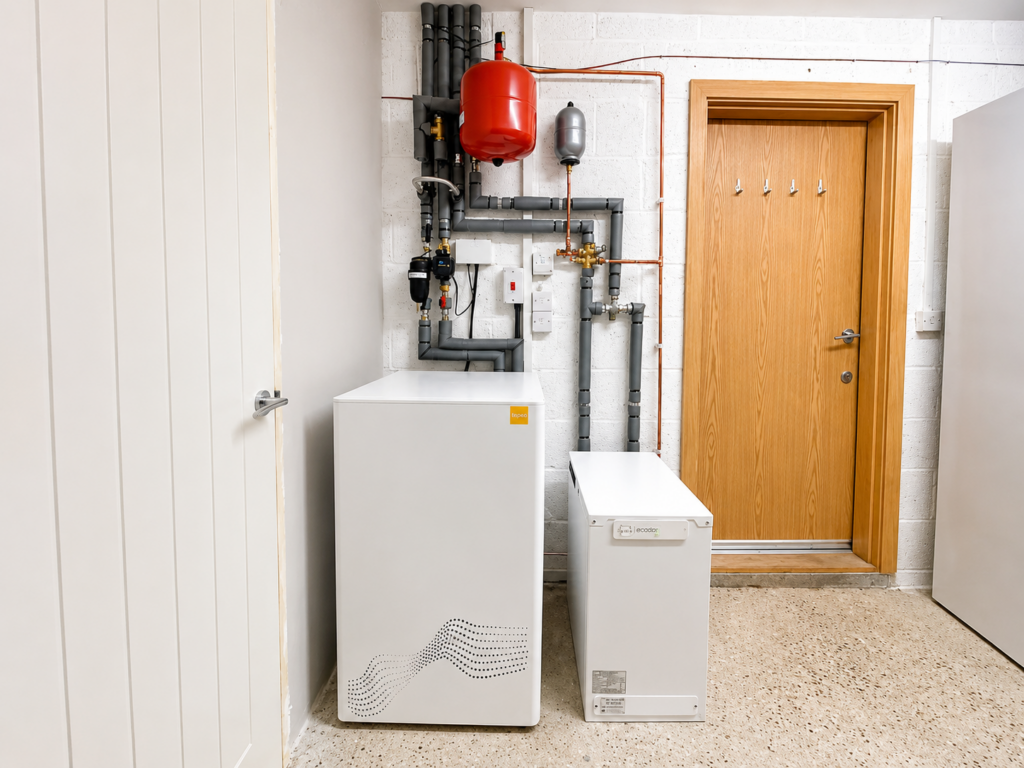
The ZEB is designed to work with suitable existing wet central heating, including radiators and underfloor heating, as well as microbore and Thermaskirt.
For some households, this is one of the attractions of choosing a heat battery boiler as a combi boiler replacement: moving to electric heating doesn’t automatically mean replacing the whole system.
However, existing radiators still need to be suitable for the amount of heat the property requires. Your home’s heat demand, radiator sizes and overall heating system should therefore be checked as part of the assessment before installation.
What does heat battery installation involve?
Before a ZEB is installed, we’ll need to make sure it’s a good fit for your home. You can start with our quick Home Check, which gives you an initial indication of suitability based on your property and heating setup. If the ZEB looks like a good match, you’ll then be shown the next steps to speak with our team and begin a more detailed assessment before receiving your quote.
As part of that assessment, we’ll look at things such as:
- your property’s heat demand
- existing radiators and pipework
- available indoor space
- your electrical setup
- domestic hot-water requirements
- any additional installation work that may be needed
For suitable homes, a ZEB installation can often be completed in around 1–2 days, although every property is different.
When replacing a combi boiler, the overall project may also include the hot-water cylinder, pump, and any associated system changes, so the final timescale depends on the work required in your home.The aim of the assessment is to establish this before installation so you understand what the full system will involve.
How much does a heat battery boiler cost?
The tepeo ZEB has a retail product price of £6,000.
Eligible customers can currently receive £2,500 off through tepeo’s Early Grant Match, helping reduce the ZEB upfront cost to £3,500.
Installation is priced separately because the work required varies from home to home. If you’re replacing a combi boiler, your quote also needs to take account of any hot water solution and additional work your property requires.
Finance options may also be available for eligible customers.
When comparing heat battery cost with a new gas combi, heat pump or direct electric boiler, it is worth looking beyond the upfront cost of the heating appliance alone. What your heating could cost to run – and its carbon impact – matters too. Our Cost & Carbon Calculator can help you compare the estimated annual running costs and carbon emissions of your current heating system with a ZEB.
How much does a heat battery boiler cost to run?
There is no single running-cost figure that applies to every home. The cost of running a ZEB depends on several factors, including:
- how much heat your home needs
- your electricity tariff
- the weather
- your heating patterns
- how much charging can take place during lower-cost periods
The key difference compared with direct electric heating is thermal storage. A direct electric boiler generally has to consume electricity when your home requires heat. A heat battery boiler can charge beforehand, store that energy as heat and release it later.
That means there is greater opportunity to make use of cheaper off-peak electricity on an appropriate tariff. The ZEB’s Smart Charging works out when and how much to charge based on factors including heating needs, local weather and the electricity tariff.
The best way to understand what that could mean for your property is to compare systems using information about your own home. Our Cost & Carbon Calculator provides estimates for running cost and carbon impact.
Compare your estimated heating costs →
Is a heat battery boiler more efficient than a combi boiler?
Efficiency is only one part of the comparison.
A gas combi boiler burns fossil fuel in the home, whereas a heat battery boiler is powered by electricity and produces no carbon emissions at the point of use. It also gives you more control over when electricity is used, thanks to thermal storage and Smart Charging.
So when comparing heat home efficiency, it is usually more useful to look at the whole system rather than a single headline efficiency figure, including things like:
- how much heat your home requires
- how well the system suits the property
- your energy tariff
- the fuel or electricity it uses
- installation requirements
- running costs
- how you want your heating to operate day to day
Heat battery boiler or heat pump: which is better for replacing a combi?
There isn’t one answer for every property.
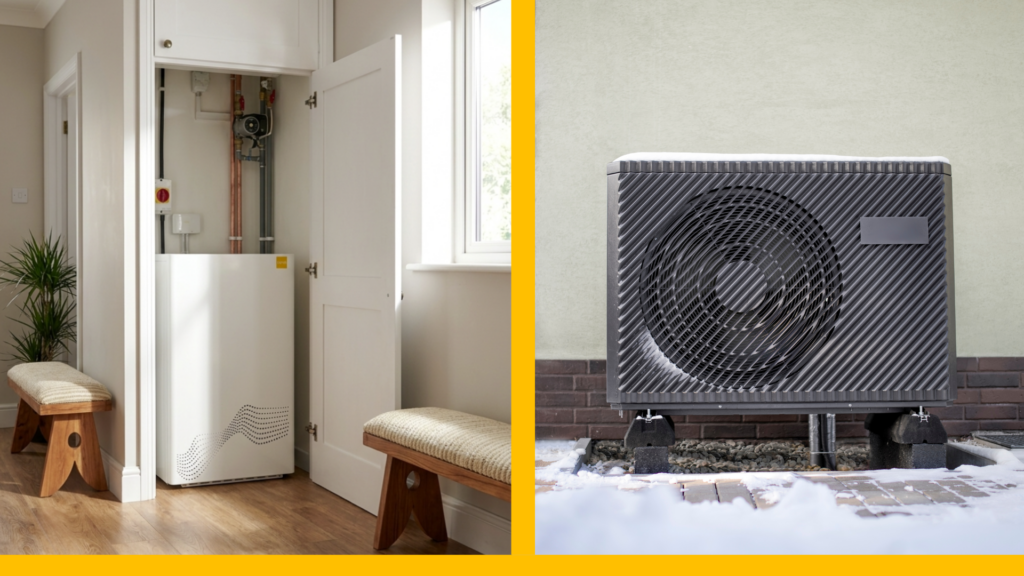
Both heat pumps and heat battery boilers allow homeowners to move towards low-carbon electric heating, but they work in different ways.
A heat pump uses electricity to move heat from outside the home inside.
A heat battery boiler uses electricity to create heat, stores that heat and then supplies it to the home’s wet central-heating and hot water system.
Heat pumps can be highly efficient and work very well in suitable properties.
A heat battery boiler offers another route for homeowners who may particularly value things such as:
- no outdoor unit
- retaining suitable existing radiators and pipework
- familiar central heating
- heat storage
- the ability to charge during cheaper electricity periods
Whichever technology you choose, moving away from a gas combi usually means thinking about heating and hot water as a complete system, rather than simply swapping one box on the wall for another.
That is why replacing a combi can be a good point to review the whole setup and decide what heating and hot-water technology best fits the home for the years ahead.
Download our Better Boiler Guide for low-carbon boiler alternatives ->
Does a heat battery boiler need an outdoor unit?
No. A heat battery boiler such as the tepeo ZEB is installed inside the home and does not require an outdoor unit.
Unlike an air source heat pump, which collects heat from the outside air using an external unit, the ZEB stores heat inside its high-density ceramic core and supplies that heat through your wet central-heating system.
For homeowners with limited outdoor space, or those who would prefer not to add an external heating unit to their property, this can make a heat battery boiler another option when moving away from a gas combi.
Is a heat battery boiler right for your home?
Having a combi boiler today doesn’t automatically mean a heat battery boiler will or won’t work in your property. Suitability depends on the home itself.
That includes factors such as:
- heat demand
- wet central heating
- radiator suitability
- available indoor space
- electrical capacity
- hot-water requirements
Our 30-second Home Check gives you an initial indication of whether a ZEB could be suitable.
If the property looks like a good fit, you can then move on to a more detailed assessment to understand the heating system, hot-water requirements and installation before receiving your quote.
Complete our Home Check today:
Loading calculator...