
If you’re thinking about moving away from gas, oil or LPG, you’re probably considering a lot more than just carbon emissions.
Research published by Nesta in July 2026 looked at how 7,000 people across Britain feel about heat pumps and low-carbon heating. While the research focused specifically on heat pumps, many of the questions people raised will likely feel familiar to anyone considering changing the way they heat their home.
Here are some of the findings that stood out to us – and where a heat battery boiler like the ZEB could fit into the picture.
Cost, comfort and reliability matter most
Across the groups Nesta studied, cost was a key consideration, closely followed by comfort and reliability. While reducing carbon matters, homeowners understandably want to know what a new heating system could cost to buy, install and run – and whether it will keep their home warm.
Where the ZEB fits in
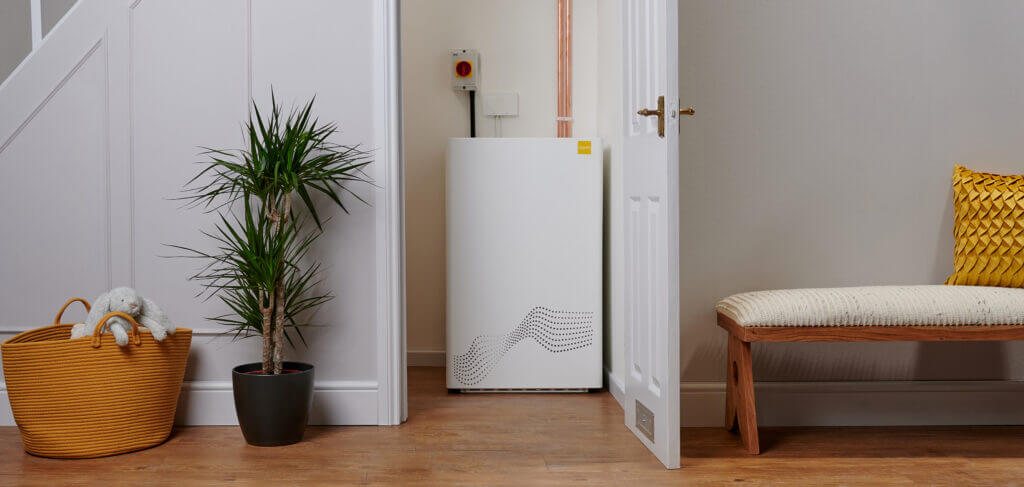
The ZEB heat battery boiler is designed to offer a familiar heating experience while moving away from fossil fuels. In suitable homes, it works with existing radiators or underfloor heating, while storing electricity as heat ready to use when it’s needed.
For most homes, buying and installing a ZEB typically costs between £5,995 and £11,000, depending on the property and any additional work required.
Running costs will vary from home to home, but Smart Charging and thermal storage allow the ZEB to make use of suitable lower-cost electricity periods. Many of our customers who previously heated their homes with gas tell us their ZEB running costs are similar to, or slightly lower than, their previous heating costs.
That combination of familiar comfort, clearer upfront costs and more flexible energy use can make the move to low-carbon heating feel much more achievable.
What does that look like in a real home? Read Dan’s story.
Homeowners want to understand the whole picture upfront
Nesta found that people were generally open to making improvements to their home where needed, but most would rather understand and complete the work together than discover extra requirements bit by bit.
Having a clear picture of what an installation involves can make a big decision feel much more manageable.
Where the ZEB fits in
At tepeo, we take pride in helping homeowners understand the full picture before making a decision. Our assessment process is designed to help you understand suitability, the work involved and the likely costs before deciding.
Start with our Home Check for an initial indication of suitability. If your home looks like a good fit, you can book a conversation with a tepeo expert about your heating setup and questions, or continue to the next assessment step.
From there, we work closely with our tepeoPRO installer network across the UK, all of whom are trained in ZEB technology. If you prefer the digital route, our Digital Home Assessment uses details, photos and videos of your home to help assess your existing heating system, hot-water arrangements, electrical supply, heat demand and proposed installation location.This helps identify any changes that may be needed and supports your installer in preparing a quote. Your tepeoPRO installer will confirm the installation requirements and any further checks or survey needed before work goes ahead.
Storing energy is an attractive idea
One of Nesta’s most interesting findings was the appeal of greater energy self-sufficiency.
People liked the idea of capturing, storing and using energy at home, as well as having more flexibility around changing energy prices.
Where the ZEB fits in
Energy storage is at the heart of how the ZEB works.
It charges using electricity and stores that energy as heat, ready to be released later when your home needs it.
Its Smart Charging technology helps decide when and how much to charge based on factors including your tariff, local weather and your heating needs, giving you more flexibility around when you use electricity.
People want confidence that the technology will work in their home
Another recurring theme was reassurance.
Homeowners wanted to know that low-carbon heating was proven, practical and suitable for their particular property. And that matters because every home is different.
Where the ZEB fits in
The same practical question matters when considering a heat battery boiler. The ZEB is designed to offer another route away from gas, oil or LPG while keeping the familiar feel of a wet central heating system.
For suitable homes, replacing an existing boiler can often be completed in around 1-2 days, and the ZEB comes with up to a 10-year warranty and a care plan for added peace of mind.
Because it stores electricity as heat, it also works differently from a direct electric boiler. Rather than relying on electricity only at the moment you need heating, the ZEB can charge in advance and use Smart Charging to take advantage of suitable lower-cost tariff periods. That flexibility can be particularly valuable as energy prices and tariffs continue to change.
For homeowners looking to future-proof their heating, the ZEB combines low-carbon electric heating, thermal energy storage and familiar radiators or underfloor heating in one system.
And while heat pumps will be the right choice for many homes, they won’t suit every property. Where an outdoor unit, property constraints or other practical considerations make a heat pump more difficult, a heat battery boiler can offer another low-carbon alternative.
The ZEB won’t be right for every home either – but that’s why having more than one route away from fossil-fuel heating matters.
Not sure which boiler alternative could suit your home? Read our guide to choosing a better boiler →
Could a ZEB work in your home?
The easiest way to start is with our quick Home Check.
It looks at some of the key factors that affect suitability and gives you an initial indication of whether a tepeo ZEB heat battery boiler could be right for your property.
Is a ZEB right for your home?
Enter your address for a quick check. We'll see whether a ZEB could work for your property and, if it does, show you an estimated quote.
Let's check your home details
PROPERTY DETAILS
Please choose your property type, floor area, build period, and main fuel below to calculate your estimate.
Good news! The ZEB is a match for your home.
Based on your estimated usage, a ZEB can comfortably heat your home.
While we aren't actively installing in your area today, we are expanding quickly. Leave your details below to join our priority waitlist and be first in line when we launch in your area.
Your home may not be a good fit for a ZEB
Based on our estimate, which considers your property size and available building records, your home's heat demand appears to be above the suitable range for a ZEB.
If you think this doesn't look right, you can check your latest energy bills and update the heat demand figure on this page. We'll then recheck your suitability and update your estimate.
Compares fuel consumption, standing charges, and annual maintenance vs your current boiler.
Tariff: Optimised on cheapest flexible tariff ().
Ready to take the next step?
Enter your contact details below to get an email with your estimate or book a quick, no-obligation call with one of our heating experts.
On the call, we'll review your home details, answer any questions, and help turn this estimate into a tailored quote. We'll also email you a copy of your estimate and report straight away.
Want to be added to the waiting list?
If you'd like to be notified as soon as we launch in your area, enter your contact details below to join our priority waitlist.
We'll email you a copy of your initial estimate and suitability report right away, and drop you a message as soon as installation opens in your area.
Still think the ZEB is right for you or just want to stay in touch?
If your actual usage is over 14,000 kWh, the ZEB could still work if you have secondary heating (like a wood burner or heat pump), a hybrid setup, or a 3-phase electrical supply. Please fill out your details below and one of our heating specialists will get in touch to discuss your options.
Please enter a valid phone number (min 10 digits)
Please enter a valid email address
We may occasionally email you with useful information about ZEB suitability, costs and tepeo services. You can opt out at any time.
By proceeding, you agree that tepeo will use your details to respond to your enquiry in accordance with our Privacy Policy.
Wet heating system: As your home does not currently have radiators or underfloor pipework, our heating engineer will also discuss options for installing wet central heating during your call.
Book a call with one of our experts
Choose a time that suits you and we'll talk through your home, your estimate and any questions you have about the ZEB.
✓ We've also emailed a copy of your initial estimate to
Prefer to speak now?
Give our team a direct call
Your estimate is on its way!
We're emailing your complete estimate and suitability report to . Please check your inbox shortly.
Why not book a call right now?
While you wait for your email, why not lock in a quick call with one of our heating experts? We can review your home's details together, answer any questions, and help turn your estimate into a bespoke installation quote.
Want to speak with our team?
If you have any questions or want to discuss bespoke heating arrangements, send us an email and one of our specialists will be pleased to help.
Is a ZEB right for your home?
Enter your address for a quick check. We'll see whether a ZEB could work for your property and, if it does, show you an estimated quote.
Let's check your home details
PROPERTY DETAILS
Please choose your property type, floor area, build period, and main fuel below to calculate your estimate.
Good news! The ZEB is a match for your home.
Based on your estimated usage, a ZEB can comfortably heat your home.
While we aren't actively installing in your area today, we are expanding quickly. Leave your details below to join our priority waitlist and be first in line when we launch in your area.
Your home may not be a good fit for a ZEB
Based on our estimate, which considers your property size and available building records, your home's heat demand appears to be above the suitable range for a ZEB.
If you think this doesn't look right, you can check your latest energy bills and update the heat demand figure on this page. We'll then recheck your suitability and update your estimate.
Ready to take the next step?
Enter your contact details below to get an email with your estimate or book a quick, no-obligation call with one of our heating experts.
On the call, we'll review your home details, answer any questions, and help turn this estimate into a tailored quote. We'll also email you a copy of your estimate and report straight away.
Want to be added to the waiting list?
If you'd like to be notified as soon as we launch in your area, enter your contact details below to join our priority waitlist.
We'll email you a copy of your initial estimate and suitability report right away, and drop you a message as soon as installation opens in your area.
Still think the ZEB is right for you or just want to stay in touch?
If your actual usage is over 14,000 kWh, the ZEB could still work if you have secondary heating (like a wood burner or heat pump), a hybrid setup, or a 3-phase electrical supply. Please fill out your details below and one of our heating specialists will get in touch to discuss your options.
Please enter a valid phone number (min 10 digits)
Please enter a valid email address
We may occasionally email you with useful information about ZEB suitability, costs and tepeo services. You can opt out at any time.
By proceeding, you agree that tepeo will use your details to respond to your enquiry in accordance with our Privacy Policy.
Wet heating system: As your home does not currently have radiators or underfloor pipework, our heating engineer will also discuss options for installing wet central heating during your call.
Book a call with one of our experts
Choose a time that suits you and we'll talk through your home, your estimate and any questions you have about the ZEB.
✓ We've also emailed a copy of your initial estimate to
Prefer to speak now?
Give our team a direct call
Your estimate is on its way!
We're emailing your complete estimate and suitability report to . Please check your inbox shortly.
Why not book a call right now?
While you wait for your email, why not lock in a quick call with one of our heating experts? We can review your home's details together, answer any questions, and help turn your estimate into a bespoke installation quote.
Want to speak with our team?
If you have any questions or want to discuss bespoke heating arrangements, send us an email and one of our specialists will be pleased to help.