


Boiler condemned? Discover a simpler, flue-free alternative
If your gas boiler or flue has been condemned, replacing it isn’t always straightforward. Especially if you live in a flat, apartment or terraced… Read more


In many flats, apartments and terraced homes, replacing an older gas boiler becomes complicated when an existing flue runs through a concealed ceiling void, internal duct or tight boundary where modern flue regulations are difficult to meet.
Because the tepeo ZEB heat battery boiler uses electricity rather than burning gas, it needs no flue, no gas connection and no external outdoor unit – while still delivering familiar warmth through suitable existing radiators.

Get £2,500 off today

No flue or outdoor unit

Installed in 1–2 days





Charges like a battery. Heats like a boiler.
The ZEB uses electricity to heat a high-density ceramic core and stores up to 40 kWh of thermal energy until your home needs warmth.
Smart Charging automatically works out when and how much to charge based on your electricity tariff, local weather forecasts and your household schedule, helping make use of cheaper off-peak electricity.
Because nothing is burned inside the ZEB, there are no flue gases to vent outside and no external unit to mount on an outside wall or balcony — just familiar central heating delivered through suitable radiators or underfloor pipework.
When an engineer flags a concealed flue in a void (often called flues in voids) or boundary rules leave nowhere practical for a new flue terminal or outdoor heat pump, homeowners can face disruptive building work.
Here is why many UK homeowners explore a heat battery boiler instead:

Installed completely indoors with zero combustion, avoiding ceiling inspection hatches, plume kits or external wall-mounted units.

Designed to work with suitable existing radiators, pipework and underfloor heating rather than replacing central heating with electric panel heaters.

In a suitable property, a ZEB can often be installed in 1–2 days without scaffolding, core-drilling external walls or re-routing ceiling ducts.

Stores cheaper off-peak electricity as heat and releases it through your radiators on demand, helping avoid peak daytime electric boiler rates.
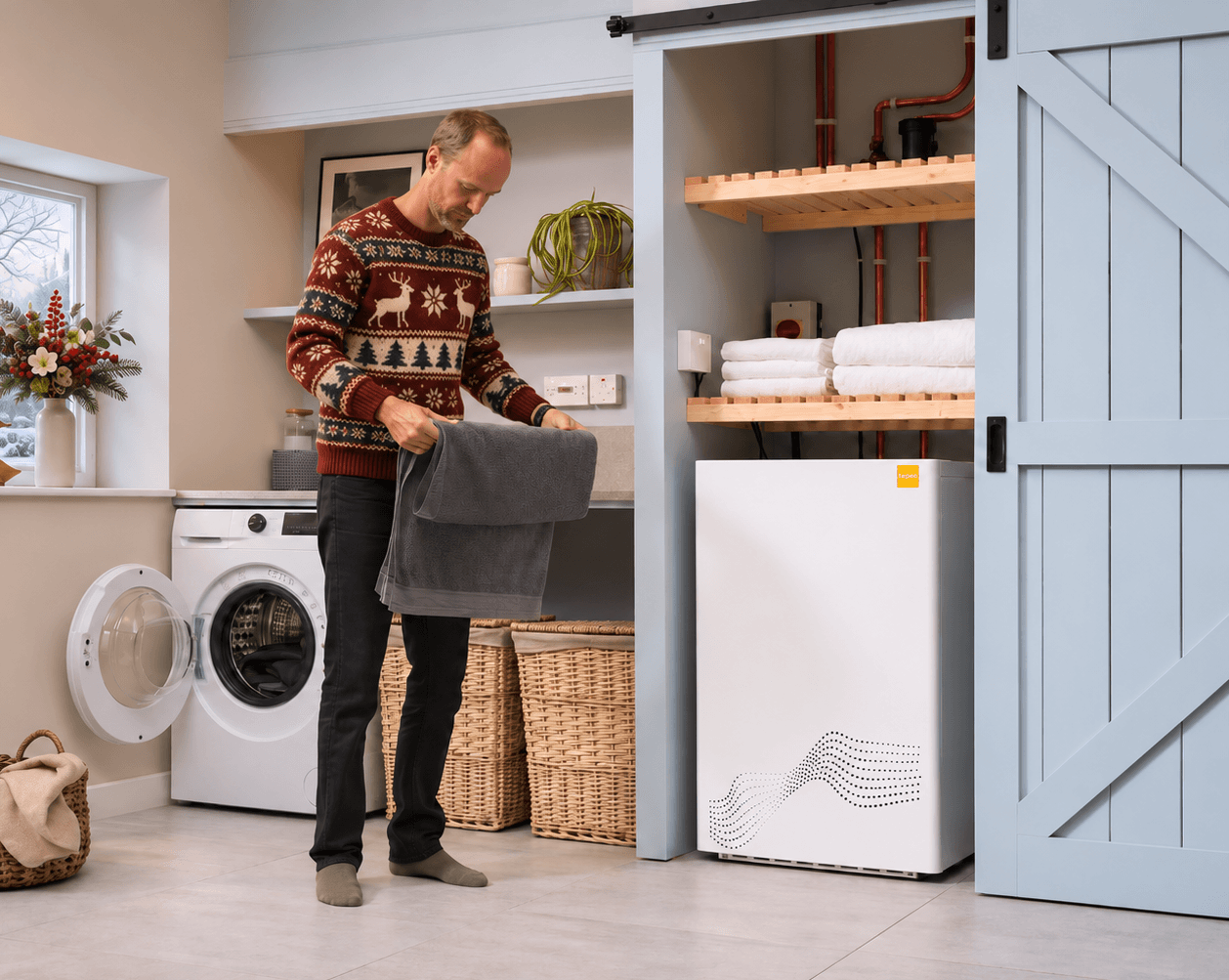
The ZEB is well suited to homes with wet central heating and modest annual heat demand – typically around 12,000 kWh or less per year – which often aligns well with flats, conversions and mid-terraced houses.
The best way to find out if a ZEB could fit well in your home is by completing our quick Home Check, which also provides you with a ZEB + installation estimate and access to next steps.
Every building has its own layout, boundary and lease considerations. Here is a measured look at how the main central-heating options typically compare.
| Consideration | Re-routing a gas flue & ceiling works | Air source heat pump | tepeo ZEB heat battery boiler |
|---|---|---|---|
| Flue & external wall terminals | Requires a compliant new flue route to an outside wall, inspection hatches along concealed voids and safe plume clearance from windows or neighbours | No flue needed, as no gas is burned | No flue, ventilation grille or external wall terminal required |
| Outdoor space & building facade | No outdoor unit, though new flue terminals or external pipe runs may still affect external walls | Requires space outdoors on the ground, a flat roof or an approved wall bracket with boundary and acoustic checks | Installed completely indoors — well suited to flats, terraces and heritage settings, subject to a home suitability check |
| Existing radiators & pipework | Retains existing wet radiators once building and redecoration works are completed | May require larger radiators, upgraded pipework or buffer vessels to suit lower flow temperatures | Designed to connect to suitable existing radiators, pipework and underfloor heating |
| Hot-water arrangement | A replacement combi boiler heats tap water instantaneously from one appliance | Requires space for a dedicated heat-pump hot-water cylinder | Works alongside a suitable existing cylinder, or pairs with a separate cylinder or compact hot-water solution |
| Internal disruption | Can involve opening plasterboard ceilings, boxing in new flue ducts, scaffolding and making good | Typically takes several days for external mounting, flow pipework and commissioning | Often installed in 1–2 days in a suitable home with minimal structural work |
| Fuel & ongoing checks | Continues burning mains gas with annual Gas Safe combustion and flue checks | Low-carbon electric heating drawing warmth from outside air | Zero-emission electric heat storage that charges automatically during cheaper off-peak tariff windows |
Suitability depends on your home’s annual heat demand (typically around 12,000 kWh or less), electrical supply capacity, floor strength, access and space for hot-water equipment where switching from a combi boiler.
Discover how homeowners in flats, terraces and space-constrained homes moved away from gas without fitting an outdoor unit.
Answer a few quick questions about your property, radiators and hot-water setup to get an initial indication of suitability and estimated cost.
If your home looks like a good fit, you can talk to one of our experts if you have questions, or move straight to your Digital Home Assessment if you're ready.
Tell us a little more about your home and upload a few photos and videos. This gives our team or your tepeoPRO installer the information needed to assess your installation and prepare an accurate quote.
Once your assessment has been reviewed, you'll receive your quote. Take your time to look through everything, ask us any questions and decide whether you'd like to go ahead.
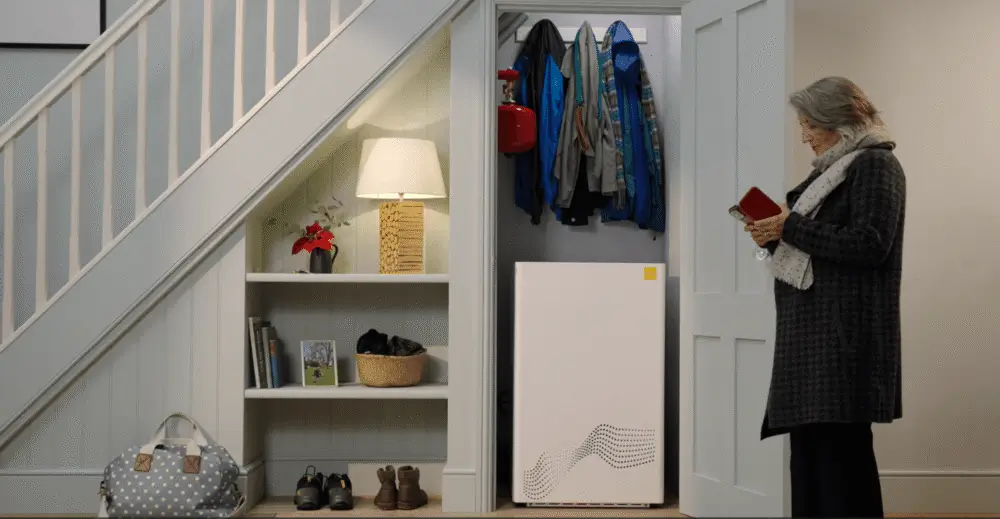
If a concealed void flue or tight external clearances have made replacing your gas boiler feel complicated, the ZEB could offer a tidy, indoor route to low-carbon heating in a suitable home.
The ZEB has a retail price of £6,000, and eligible customers can currently get £2,500 off through tepeo’s Early Grant Match, reducing the price of the ZEB itself to £3,500 (with installation priced separately).
Finance options are also available for eligible customers who would prefer to spread the cost in monthly instalments.
No. Because the ZEB is an electric heat battery boiler with zero combustion, it produces no flue gases or carbon monoxide. It requires no flue, no external wall terminal, no gas connection and no outdoor unit — making it worth exploring when concealed flues in voids or boundary plume rules rule out a straightforward gas boiler swap.
The ZEB heats your central heating circuit (radiators or underfloor pipework), so if your current combi boiler also heats your tap water on demand, you will normally need a separate hot-water solution.
Depending on your available space, this could be a traditional unvented hot-water cylinder, a smart electric cylinder or a compact hot-water heat battery. Your tepeoPRO installer can advise which arrangement best suits your home.
The ZEB is floor-standing and takes up roughly the footprint of an under-counter kitchen appliance, with clear access needed at the front for servicing. Because the unit weighs around 375 kg once installed, floor strength, stair or lift access and electrical supply capacity are all checked carefully during your Digital Home Assessment and installer survey — particularly in upper-floor flats or homes with suspended timber floors.
Because the ZEB is fitted entirely indoors with no external heat pump unit and no new flue terminal penetrating outside walls, external appearance and planning considerations are often much simpler.
In leasehold apartments or listed properties, we still recommend checking your lease or building management rules regarding internal plumbing changes, electrical circuit upgrades and safe capping of your existing gas supply before installation.
The ZEB has a retail price of £6,000. Eligible customers can currently get £2,500 off through tepeo’s Early Grant Match, reducing the price of the ZEB itself to £3,500.
Installation — including any hot-water cylinder or electrical upgrade needed for your property — is priced separately once your home has been assessed. Finance options are also available for eligible customers who would prefer monthly instalments (subject to status and lender terms).
In a suitable property where pipework and hot-water arrangements are straightforward, installing a ZEB typically takes around 1–2 days. If you are also adding a hot-water cylinder when moving away from a combi boiler, your tepeoPRO installer will confirm the expected timescale clearly in your quote.

